Everyone has days when the world doesn’t fit.
FigCit helps create a better fit between people and the world around them. An app that adapts to your day, consulting and training that help workplaces, colleges and services adapt, and a calm Hub to connect, explore and recharge.

What changes with FigCit
Support for the whole of life, not just the hard moments
When support fits, everything else has room to grow. We help people:
Feel steadier day to day
Notice how you’re doing and find what helps, before things build up.
Ease the weight of stress and hard times
Calm ways to pause, rest and feel less alone with what you carry.
Stay in or return to learning
Keep going with school, college, university or a course, or find your way back in.
Find work that fits
Stay in work, return to work, or find a role that suits how you work best.
Build healthy relationships
Find the words to say what you need, and connect with people who get it.

How we help
How we create a better fit
FigCit combines adaptive technology, professional services and inclusive environments to help people and systems work better together.
Find your path
Who are you here for?
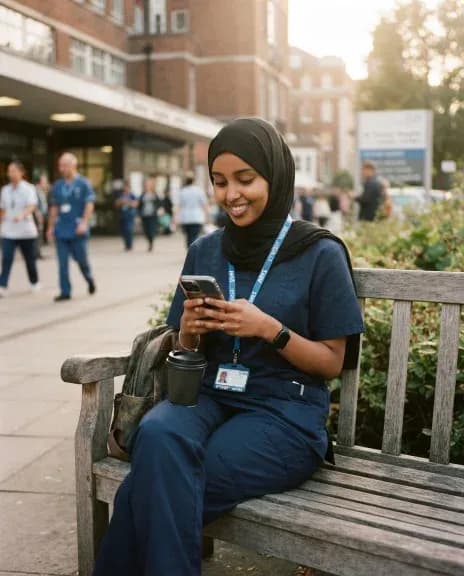
Illustrative story
How it feels
A day with FigCit
8:40
Amira, a second-year nursing student juggling placements, deadlines and a part-time job, checks in: low energy, on edge, a noisy placement ahead. FigCit suggests a two-minute reset and one small first step for her write-up.
12:30
After a hard shift, she sorts her thoughts in Brain Dump and finds the words to ask her mentor for a quieter place to write.
Saturday
She books a quiet session at the FigCit Hub and leaves feeling recharged.
Every month
Her university sees only anonymised trends, never her check-ins; and uses them to make placements fit students better. No one needed a diagnosis to get help.
Why now
Help too often arrives after the crash
Too many people wait for a diagnosis, an appointment or a crisis before anything changes. By then many have already left a job, a course or the people around them. The Government has now pledged earlier support that doesn’t wait for a diagnosis. FigCit is built for that shift.
73%
of the 244 people we surveyed had left a job, course or opportunity because their needs weren’t met.
Source: FigCit & CESNE, 2026.
70%
often feel overwhelmed, and two in three spend a lot of daily energy masking how they really feel.
Source: FigCit & CESNE, 2026.
About 1 million
young people aged 16–24 are not in education, employment or training.
Source: DHSC, 2026.
Built with the people it’s for
Shaped by lived experience
FigCit was shaped from founders lived and professional experiences, in addition with 244 survey respondents, a focus group and 20 people who tested our prototype and rated it 4.25 to 4.55 out of 5. They asked for fewer steps, calmer design and real places to rest, and that’s what we built.
244
survey respondents
20
prototype testers
4.25–4.55
out of 5

What we believe
Fix the fit, thrive as you are.
People should not have to change who they are just to function in systems that do not recognise their needs. People and systems can both adapt to create a better fit.
Difference, not deficit
We recognise human differences without treating them as deficiencies.
Adaptive environments, not just adaptive people
Environments and systems should respond to people’s needs, rather than expecting individuals to do all the adapting.
Support before crisis
Support should be there before difficulties escalate. No diagnosis needed.
Understand before we act
We seek to understand people, their strengths and their circumstances before deciding what support or changes are right.
Let’s make life, learning and work fit people.
Helping people thrive. Helping systems adapt.